English
 中文简体
中文简体 русский
 Français
 Español

Industry Background and Application Importance
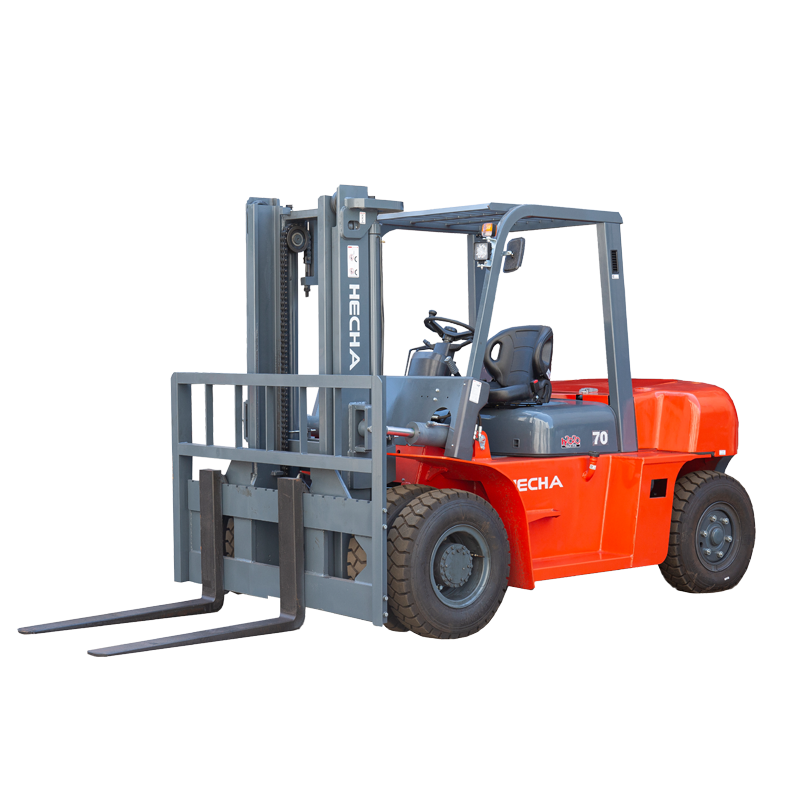
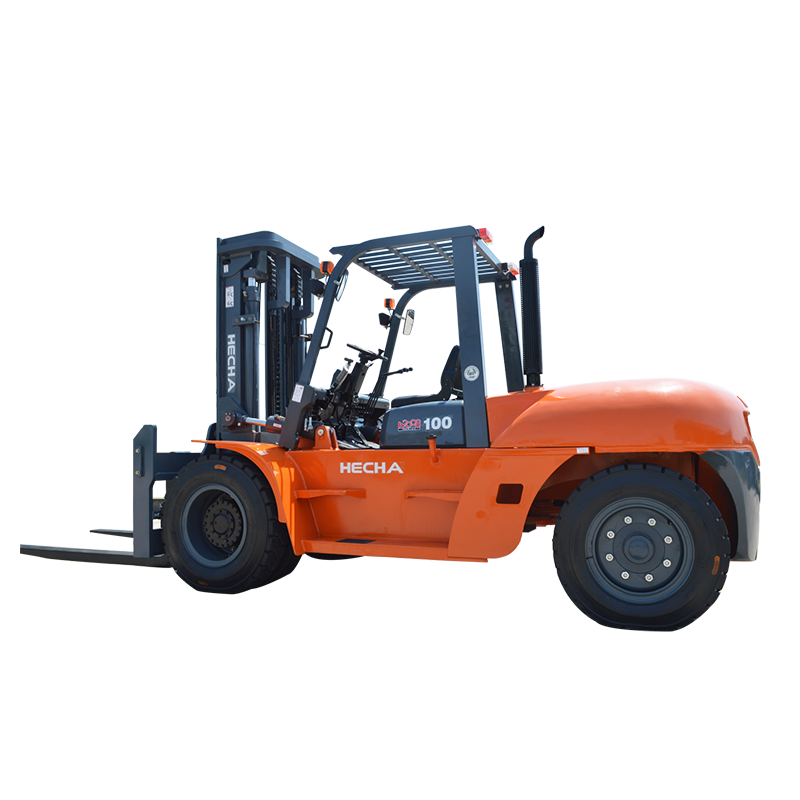
Heavy material handling in outdoor industrial settings includes yards, construction sites, ports, large distribution centers, and manufacturing campuses where loads frequently exceed the capabilities of smaller lift trucks. The 5‑7ton diesel forklift class occupies a middle ground between light utility machines and ultra‑heavy payload platforms, offering a balance of capacity, maneuverability, and engine performance.
Industrial Growth Patterns
Recent shifts in global logistics — including increased throughput at distribution facilities and growth in construction activity — have amplified the demand for material handling assets capable of reliably moving heavy loads outdoors. While electric and alternative‑fuel solutions gain traction for indoor and light outdoor use cases, diesel powered platforms in the 5‑7ton range still deliver performance characteristics well aligned with the operational requirements of heavy duty outdoor work.
Operational Environment Characteristics
Outdoor heavy duty operations introduce specific challenges:
- Terrain variability: Soft ground, gravel, uneven surfaces
- Extended operation cycles: Long work shifts without downtime
- Environmental exposure: Weather, dust, heat, and moisture
- High duty cycles: Frequent lifting and travel over extended distances
In these contexts, system engineers weigh multiple factors such as power density, fuel availability, reliability under stress, and whole‑life operating costs.
Core Technical Challenges in the Industry
Understanding why 5‑7ton diesel forklift platforms remain relevant requires clarity on the technical challenges that outdoor heavy handling poses:
Power and Torque Requirements
Heavy outdoor loads demand high engine torque at low RPM for efficient load lifting and movement. The diesel engines used in this class typically provide broader torque curves compared to alternatives, enabling:
- Sustained load lifting without thermal strain
- Better traction on uneven or low‑friction surfaces
- Less performance degradation under heavy duty cycles
Thermal and Environmental Stress
Diesel power units must manage heat generation during prolonged operations. Key challenges include:
- Engine heat rejection in high ambient temperatures
- Cooling system performance under continuous high load
- Dust and particulate ingress affecting filtration and fuel injection systems
Structural Load and Stress Distribution
Heavy outdoor operations impose cyclical stresses on mast assemblies, frame structures, and tires. System designers must account for:
- Fatigue over extended duty cycles
- Structural rigidity without excessive mass
- Vibration damping to limit component wear
Fuel and Maintenance Logistics
Diesel infrastructure is widespread in heavy industrial zones, simplifying fuel logistics. However, large fleet operations must also manage:
- Fuel quality variability
- Scheduled maintenance intervals
- Wear‑related consumables replacement
Safety and Operator Ergonomics
Outdoor handling tasks often operate with limited visibility or in congested spaces. System integrators must address:
- Operator situational awareness
- Stability control under uneven loads
- Integration of telematics for remote monitoring
Key Technical Pathways and System‑Level Solutions
Engineers confront these challenges through multi‑layered technical pathways that extend beyond the forklift unit into system integration design.
Engine Powertrain Design
While alternative powertrains (e.g., electric or hybrid) present advantages in specific contexts, a diesel engine in the 5‑7ton forklift class still offers:
- High torque density, facilitating load acceleration and grade climbing
- Simple thermal management, due to well‑understood cooling requirements
- Fuel range, enabling long operational cycles without refueling
System engineers routinely evaluate powertrain integration with cooling systems and emissions controls to balance performance, reliability, and regulatory compliance.
Chassis and Structural Engineering
Heavy outdoor applications demand engineering of:
- Reinforced chassis frames to withstand dynamic loading
- Shock‑absorbing mounts for operator comfort and component durability
- Optimized counterweight distribution to maintain stability
These elements interact holistically: structural enhancements influence center‑of‑gravity calculations, which in turn affect tire wear and traction control system design.
Filtration and Environmental Protection
Diesel engines in dusty outdoor environments require advanced filtration subsystems:
| System Component | Technical Role | Engineering Consideration |
|---|---|---|
| Air Filtration | Remove particulates that degrade combustion | Filter media selection, maintenance interval |
| Fuel Filtration | Protect injectors from contaminants | Multi‑stage fuel filters |
| Hydraulic Filters | Ensure fluid cleanliness for control systems | Pressure drop vs filtration efficiency |
| Cooling System | Maintain thermal stability | Radiator size, airflow management |
Each subsystem influences performance and maintenance cycles; engineers must model expected environmental stress levels to select appropriate filter ratings and service intervals.
Telematics and Predictive Maintenance
Integrated sensors and data analytics platforms extend forklift capabilities beyond mechanical motion. Key system functions include:
- Real‑time engine diagnostics
- Fault prediction based on vibration/temperature signatures
- Fleet utilization tracking for optimized asset deployment
These data streams inform maintenance scheduling, reducing unplanned downtime and enhancing fleet reliability.
Typical Application Scenarios and System Architecture Analysis
To further illustrate the importance of 5‑7ton diesel forklift platforms, consider several application scenarios with system‑level insights.
Port Yard Bulk Handling
Scenario Characteristics:
- Large, heavy loads (containers, crates)
- Outdoor environment with particulate exposure
- Variable surface conditions
System Engineering Considerations:
- Traction control: Adaptive traction systems must interface with engine torque response and weight distribution algorithms to maintain stability.
- Operator visibility: Cameras and proximity sensors become integral parts of the system architecture to ensure safety around high‑profile cargo.
- Fuel logistics: Centralized refueling points and fuel quality monitoring are integrated into fleet management systems.
Construction Material Supply
Scenario Characteristics:
- Frequent travel across uneven terrain
- Heavy building materials (steel, concrete)
- Frequent load changes
System Engineering Considerations:
- Suspension tuning for vibration resilience
- Engine load profiling to prevent overheating
- Integration with site telematics for scheduling and asset tracking
Outdoor Manufacturing Yards
Scenario Characteristics:
- High throughput movement of large subassemblies
- Mixed surface types (gravel, asphalt)
- Interaction with other heavy machinery
System Engineering Considerations:
- Collision avoidance systems synchronized with site control networks
- Load sensors tied to fleet utilization dashboards
- Redundant safety interlocks in control systems
Technical Solution Impact on System Performance, Reliability, and Efficiency
The deployment of 5‑7ton diesel forklift platforms within a larger industrial system influences several performance dimensions.
Performance: Power and Responsiveness
Diesel powertrains deliver:
- High torque at low speed, critical for heavy load lifts
- Rapid response to throttle inputs under load
- Consistent performance despite variable ambient conditions
These characteristics reduce cycle times in outdoor work, directly affecting throughput metrics.
Reliability: Durability in Harsh Conditions
When engineered with robust filtration, cooling, and structural reinforcements, these systems offer:
- Increased mean time between failures (MTBF)
- Predictable service intervals
- Resistance to environmental stressors
The inclusion of predictive maintenance telematics further boosts uptime by anticipating component degradation.
Fuel Efficiency and Operating Cost
While diesel engines may have higher fuel cost per hour than electric alternatives in some circumstances, in outdoor heavy duty use:
- Fuel infrastructure is simpler to deploy and manage
- Refueling turnaround times are short
- Operational continuity is less dependent on battery charging cycles
System integration ensures fuel consumption is optimized through load profiling and engine control calibration.
Safety and Operational Control
Advanced safety systems such as stability control and operator assistance reduce the risk of load‑related accidents. Integration with site‑wide control networks enhances situational awareness and emergency response.
Industry Trends and Future Technical Directions
Even as the relevance of 5‑7ton diesel forklift platforms remains strong, technical evolution continues along several vectors.
Emissions and Compliance
Stricter emissions standards in many regions require:
- Improved combustion efficiency
- Aftertreatment systems
- Fuel quality monitoring subsystems
Systems engineers must incorporate these constraints into engine selection, cooling design, and maintenance planning.
Hybrid and Alternative Power Integration
Although diesel remains dominant for heavy outdoor tasks, hybridization pathways are emerging:
- Diesel–electric hybrid powertrains
- Integration with auxiliary battery modules
- Modular power units for flexible duty cycles
These approaches aim to combine diesel reliability with improved emissions performance and partial electric operation where feasible.
Enhanced Telematics and Automation
Advanced data analytics continues to mature:
- Predictive models for engine and component failure
- Automated dispatch and load assignment
- Integration with autonomous navigation systems
The forklift becomes part of a cyber‑physical system, where digital insights inform operational decisions.
Materials and Structural Innovation
Future systems may leverage new materials and mechanical design techniques to:
- Reduce machine weight without sacrificing strength
- Improve vibration damping and fatigue resistance
- Enable modular structural components for simplified service
Summary: System‑Level Value and Engineering Significance
The continued importance of 5‑7ton diesel forklift solutions in heavy outdoor operations stems from a confluence of system‑level factors:
- High torque and sustained power suited to heavy loads
- Proven diesel technology with manageable thermal and filtration systems
- Robust structural engineering for enduring outdoor stressors
- Integrated telematics enhancing reliability and maintenance efficiency
- Fuel logistics and ease of support in industrial settings
From an engineering perspective, these machines are not simply standalone products, but components within larger material handling ecosystems. Their deployment must be viewed through systems thinking — balancing performance, reliability, maintainability, and lifecycle cost.
FAQ
Q1: What distinguishes a 5‑7ton diesel forklift from smaller or larger classes?
A1: The 5‑7ton class represents a balance between heavy payload capability and manageable machine size. It is engineered to handle significantly heavier loads than light forklifts while retaining operational flexibility that ultra‑heavy classes might not offer.
Q2: Can electric forklifts replace diesel models in outdoor heavy operations?
A2: Electric platforms excel in indoor and light outdoor environments. However, for heavy outdoor use with variable terrain and high duty cycles, diesel powertrains currently offer advantages in torque density, refueling logistics, and extended runtime without frequent recharging.
Q3: Why is telematics important for diesel forklift fleets?
A3: Telematics provides real‑time data on engine performance, usage patterns, and predictive maintenance signals, enabling better uptime and reduced unplanned service events — critical for large outdoor fleet operations.
Q4: How do emission regulations shape diesel forklift design?
A4: Emission standards influence engine calibration, aftertreatment systems, and fuel system design. Engineers must integrate these systems carefully to balance compliance with performance and maintenance simplicity.
Q5: What are common maintenance challenges for outdoor diesel forklifts?
A5: Challenges include particulate load on filters, engine cooling under high ambient temperatures, fuel quality variability, and wear on drivetrain components due to uneven terrain. Structured maintenance planning and data‑driven insights help mitigate these issues.
References
- Material Handling Industry Reports, analysis of freight and logistics growth patterns.
- Systems Engineering in Industrial Equipment, foundational principles and case studies on heavy duty vehicle integration.
- Emissions and Powertrain Compliance Guides, regulatory analysis relevant to diesel engine platforms.